


Assess
Walk it while it’s wet, or right after rain. Photos of the whole slope, not just the puddle.
Drainage & stormwater · DC · Maryland · Virginia
We find where it’s coming from, where it wants to go, and give it a better way there — so the yard dries out and stays that way.
Sound familiar?
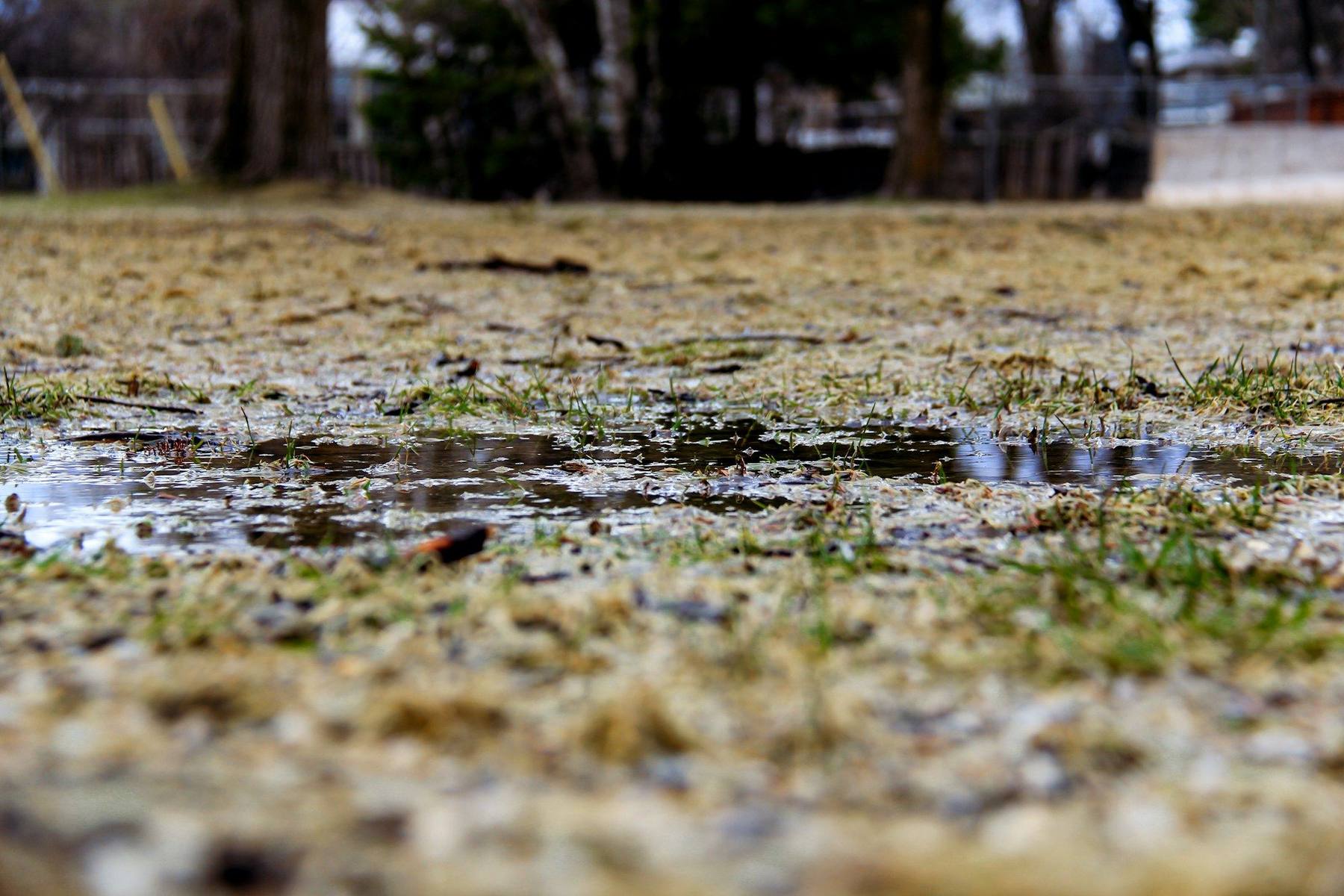
Standing water, a wet basement, or a yard that’s a pond for days after every storm isn’t bad luck. It’s a ground problem.
The best time to call is the next time it rains. A short video of where the water goes is the most useful thing you can send.
Why it happens
Most drainage work fails because it treats the puddle and misses the reason water collects there. Grade can pitch toward the house. Soils can be packed so they don’t absorb. A buried downspout can clog. A culvert can be too small. New work uphill can send water somewhere it never went.
We look at roof water, grade, soil, what’s upslope, and where the water can legally and practically go.
Failed an erosion-and-sediment inspection? Tell us the county, the permit number, and the inspection date. We’ll look at what the site needs to get back in line. Silt fence, a construction entrance, inlet protection, stabilization.
Engineered stormwater practices are built to an engineer’s plan. We don’t seal that design.
How we fix it
Walk it while it’s wet, or right after rain. Photos of the whole slope, not just the puddle.
Sometimes the fix is re-pitching the ground away from the house. Sometimes it’s a swale, a French drain, a downspout line to daylight, or a new culvert. You’ll see what each one solves.
Our equipment, a Miss Utility ticket on every dig, and the ground left so the water has a better way out.
What moves the price
The price is in writing after we’ve seen the property.
Where
Small excavation and property work is concentrated around our home market. Larger site-development and build-ready projects are considered throughout DC, Maryland and Northern Virginia.
Everyday work
Washington County, Maryland, including Hagerstown. Frederick County, Maryland. Loudoun County, Virginia. The West Virginia Eastern Panhandle: Berkeley, Jefferson, and Morgan counties, plus nearby markets.
Larger projects
Site development and build-ready lots, considered throughout Washington, DC, Maryland, and Northern Virginia.
Not sure which this is? Call (202) 345-5795.
Questions
Often you need the grade fixed first. A drain in a low spot that still pitches the wrong way will sit full of water. We’ll tell you which one the property actually needs, and when it needs both.
We can catch it and send it somewhere it can legally go. We can’t make a neighbor regrade their land. If the water has no lawful outlet, we’ll say that before anyone digs.
Tracked machines are easier on turf than tires, and we mat a manicured lawn when it needs it. Some repair of the surface is part of the job. We’ll say what restoration is in the price.
A simple regrade on your own lot often does not. Work in a ditch, a culvert at a road, or anything the county calls land disturbance can. We’ll tell you which before we start. We don’t promise an approval.
When you can see the water. Spring and a wet week are useful for diagnosis. The work itself can happen in most seasons, as long as the site can be stabilized.
What happens next